The right process.
For the work ahead.
Surface preparation, powder coating and specialty finishes engineered for demanding service environments.
Powder coating.
Durable powder coating from small runs to large assemblies.
Pairs corrosion-resistant primer with UV-resistant powder topcoat and oven curing for steel components.
Discuss powder coating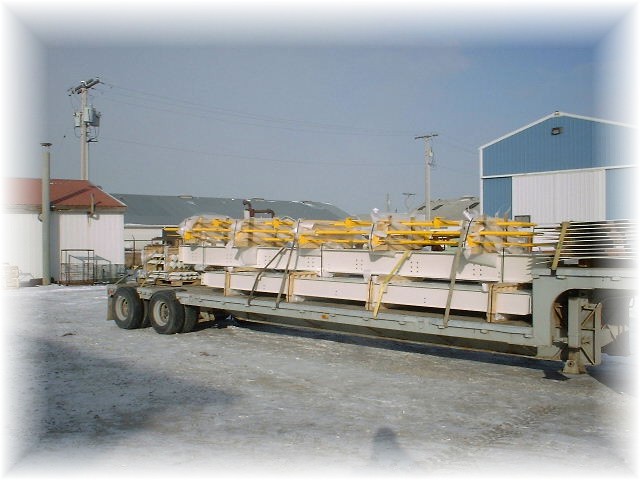
Powder families
Matched to exposure and service conditions, including TGIC and polyester hybrids.
- Epoxies
- Polyesters
- Hybrid polyester / epoxies
- Urethanes
- Decorative textures
- Nylon
- Kynar
- Haylar
- Fused PVC vinyl
- Polyethylene thermal melts
Abrasive blasting.
Substrate-matched preparation for coating adhesion.
Blast rooms, cabinets and micro-blast equipment handle parts from instruments to large assemblies, including glass bead polishing.
Discuss blasting
Media in the shop
Selected for substrate material, condition and required surface profile.
- Mineral grit
- Aluminum oxide
- Steel grit
- Glass bead
Specialty coatings.
Corrosion-control systems tailored to demanding applications.
Specialized formulations for high operating temperatures, harsh chemicals and release properties.
Discuss specialty coatings
Specialty coating families
Engineered for high heat, chemical resistance and easy cleanability.
- Catalytic cured epoxies
- Aliphatic polyurethanes
- High-temperature silicones
- Aluminum-filled ceramics
- Vinyl systems
- Plastisols
- Air-dry phenolics
- High-temperature baked phenolics
- Oven-fused fluoropolymers
- Polyurethane / polyurea elastomers
- Thermal-melt powders
- Thermoset powders
Before the first coat.
Confirm application-specific preparation requirements with the shop.
- 01
Disassemble parts.
Remove seals, rubber and non-heat-tolerant components.
- 02
Remove oils.
Parts must arrive clean of heavy grease and oil.
- 03
Critical fits.
Mark threads, sealing faces and masking zones.
- 04
Confirm schedule.
Coordinate delivery with current shop workload.
What’s your
surface up against?
Start with conditions. We’ll identify the right coating system.
Protection starts with preparation.
Tell us substrate, exposure and existing finish to determine preparation, primers and topcoat.
Discuss these conditionsSystem selection depends on your substrate, exposure and specifications.
Have a part in mind?
Let’s get into it.
Tell us what it’s made of, what it needs to withstand, and when you need it.